Thinking about a new fence, an addition, or closing on a home in Zionsville? A property survey is one of the simplest ways to protect your investment and avoid costly surprises. You want clarity on what kind of survey you need, how much it will cost, and when to order it so your plans stay on track. In this guide, you will learn the survey types most common in Boone County, what drives cost and timing, the local records to check, and practical next steps for buyers and sellers. Let’s dive in.
What a property survey does
A property survey maps your land as it exists on the ground and ties it to the legal description in your deed. It identifies boundary lines, corners, and visible improvements, and it can flag encroachments or recorded easements that affect how you use the property. Some survey types also show elevations and drainage, which matter for additions, pools, or new construction.
Surveys are performed by Indiana-licensed professional surveyors who research recorded documents, visit the site for measurements, and produce a stamped drawing. Lenders and title companies may require a particular standard, and some projects in Zionsville need survey information for zoning and permitting.
Common survey types in Zionsville
Boundary survey or property line survey
- Purpose: Locate the legal property corners and boundary lines and identify obvious encroachments.
- Use: Typical for residential purchases, fence placement, or resolving line questions.
- Deliverable: A plan that shows corners, measurements, nearby improvements, and visible encroachments.
ALTA/NSPS Land Title Survey
- Purpose: A comprehensive survey used when lenders or title insurers require higher detail for underwriting.
- Use: Common on commercial and higher-value residential deals or when a title company requests it.
- Notes: Follows ALTA/NSPS Minimum Standard Detail Requirements. Costs more and takes longer than a basic boundary survey.
Location survey or mortgage inspection
- Purpose: Help a lender verify where improvements sit relative to recorded lines and easements.
- Use: Often requested by lenders for residential closings when a full ALTA is not required.
- Notes: Simpler than an ALTA. It may not remove title exceptions without additional detail.
Topographic survey
- Purpose: Show elevation, contours, grades, drainage, trees, and key site features.
- Use: Design and permitting for additions, landscaping, and new construction.
- Deliverable: A contour map with spot elevations and site features.
Elevation certificate or flood elevation survey
- Purpose: Document structure elevations relative to the Base Flood Elevation for flood insurance and compliance.
- Use: Properties in or near FEMA Special Flood Hazard Areas.
- Deliverable: An official elevation certificate prepared by a licensed surveyor.
As-built survey and construction staking
- Purpose: Confirm construction matches plans and stake out new building lines and elevations for builders.
- Use: New homes, additions, and final permitting.
Lot split, replat, or subdivision survey
- Purpose: Create new parcel boundaries or combine existing ones.
- Use: Sellers subdividing land, developers, or owners combining neighboring lots.
- Notes: Requires municipal approvals and recorded documents.
Fence or stake-out survey
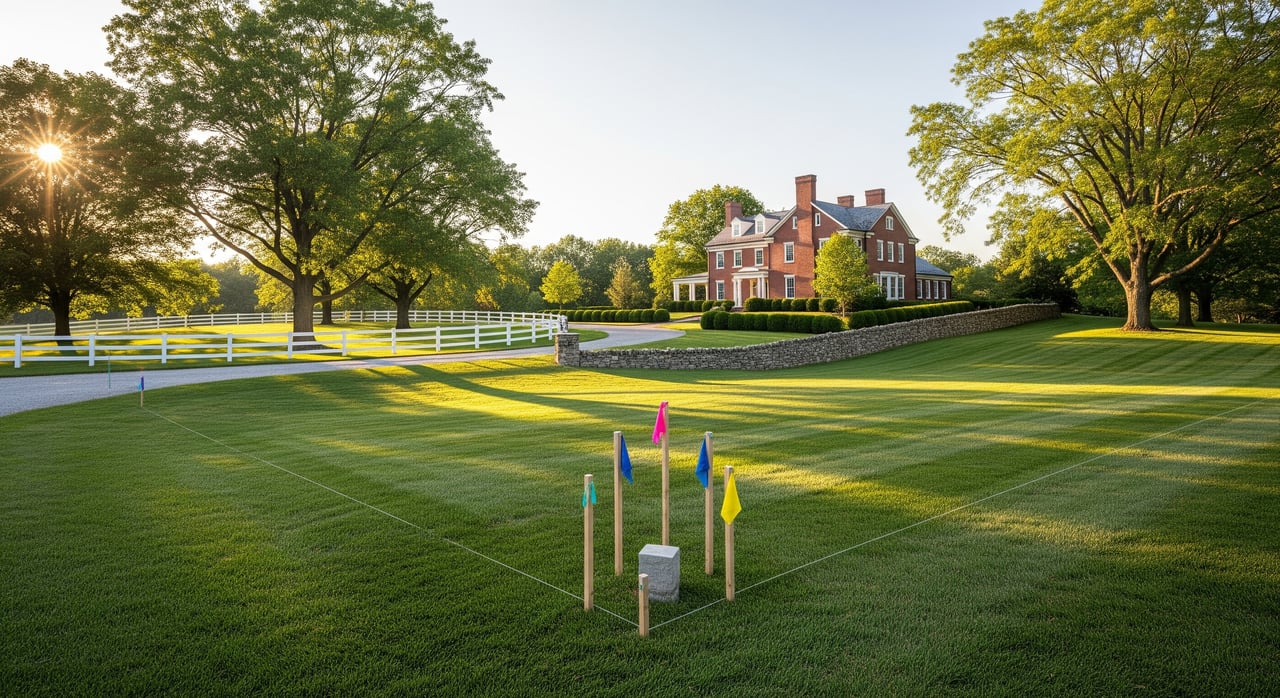
- Purpose: Mark exact line locations before installing fences, pools, or doing landscape work.
- Use: Homeowners who want to avoid encroachment disputes.
Local records and approvals to check
If you are buying, selling, or planning a project in Zionsville, these local resources matter:
- Boone County Recorder’s Office: Recorded deeds, plats, easements, covenants, and restrictions used in survey research.
- Boone County Assessor and GIS: Parcel maps, aerials, and tax parcel numbers helpful for preliminary site review.
- Zionsville Planning and Zoning: Zoning districts, setbacks, fence and pool permits, subdivision approvals, and any town ordinances that affect your plans.
- Title companies and lenders: Survey standards they require for closing and whether an older survey is acceptable.
- Indiana Professional Licensing Agency: Verify that your surveyor is licensed in Indiana and in good standing.
- FEMA Flood Map Service Center: Check whether a property lies in a Special Flood Hazard Area and whether an elevation certificate is needed.
What surveys cost in Boone County
Survey pricing varies by survey type, lot size and shape, terrain, record complexity, deliverables, and how fast you need it. Zionsville’s proximity to the Indianapolis metro can influence demand and lead times. Always request at least three written quotes from Indiana-licensed surveyors and confirm exactly what is included.
Here are typical ranges to help you plan:
- Residential boundary survey: Low-to-mid hundreds up to about 1,000 to 1,500 dollars depending on complexity.
- ALTA/NSPS survey: About 1,200 dollars to several thousand dollars, with complex sites costing more.
- Topographic survey: Several hundred to a few thousand dollars depending on area and contour accuracy.
- Lot split or replat: Often 1,000 dollars or more, plus municipal and recording fees.
- Elevation certificate: Typically a few hundred dollars.
- Construction staking: Often billed hourly or as a per-stake package.
What drives survey cost
- Survey type and required standard
- Lot size, shape, and terrain complexity
- Access challenges, brush clearing, or seasonal conditions
- Legal history and research effort for deeds, plats, and easements
- Required deliverables such as corner monuments, stamped originals, and digital files
- Rush timing or travel distance
How to get accurate quotes
- Share your deed, legal description, and any prior survey or plat.
- Provide your timeline and whether a lender or title company requires a specific standard.
- Ask for a written scope that lists research, fieldwork, corners to be set, deliverables, and turnaround.
- Confirm possible extras such as monument replacement, brush clearing, rush fees, and recording fees.
How long surveys take in Zionsville
Scheduling depends on surveyor availability, weather, site complexity, and municipal review. Plan ahead so your closing or project stays on schedule.
Typical timelines:
- Simple residential boundary survey: Several days to 2 to 3 weeks from scheduling to completion.
- ALTA/NSPS survey: Often 2 to 4 weeks or longer due to added research, fieldwork, and review.
- Topographic and specialty surveys: Often 1 to 3 weeks depending on scope.
- Lot splits and replats: Several weeks to months due to town review and recording.
Factors that add time include wooded or steep sites, frozen ground or snow, complex deed research, title review cycles, and municipal approvals.
When to order during a purchase
If you are buying, order your survey early in your contingency period so there is time to review and address issues. A good rule of thumb is to start as soon as your offer is accepted and target completion 30 to 45 days before closing if possible.
Timing for sellers and projects
Sellers can benefit from a pre-listing boundary or location survey, which helps surface encroachments or easements early and can streamline closing. For additions, pools, fences, and new construction, have your survey in hand before submitting permits or finalizing design so setbacks and elevations are correct.
Red flags to watch on your survey
- Missing or conflicting corners or monuments
- Structures crossing recorded boundary lines
- Recorded easements that limit use of parts of the lot
- Overlapping deed descriptions or gaps in the chain of title
- Floodplain or wetland indications when you plan to build or regrade
- Surveys that are many years old when property conditions have changed
If any of these appear, consult your surveyor and title company promptly. You can often negotiate fixes in a purchase, such as correcting the issue, recording an easement, or adjusting price or terms. Title insurance exceptions may apply, so coordinate early with your closing team.
Quick checklists
Buyers
- Confirm with your lender and title company whether a survey is required and what type.
- Order early in the contingency period and provide your deed and any prior surveys.
- Review results for encroachments, easements, and setbacks, then coordinate with your title company on exceptions.
- Negotiate repairs, easements, or credits if material issues arise.
Sellers
- Consider a pre-listing boundary or location survey to avoid surprises and speed up closing.
- If you plan improvements before selling, verify setbacks and permitting with a survey.
Both buyers and sellers
- Verify your surveyor’s Indiana license and ask for proof of insurance.
- Obtain at least three written quotes and request sample surveys for quality review.
- Keep digital copies of your final survey for closing and future projects.
How Chaggar & White Realty helps
You deserve a smooth process with fewer surprises. Our team uses a consultative approach to help you choose the right survey for your situation, coordinate timing within your contingency window, and keep your closing on track. We stay in close contact with your lender and title company so survey requirements are clear from day one.
Because real estate in Zionsville often involves unique parcels, subdivisions, and evolving local ordinances, we guide you toward the right local offices for records and permitting and help you focus on the details that matter for your transaction. If you are planning a fence, addition, or pool, we will help you time your survey and permits to match your project milestones and reduce rework. When you want an experienced, education-first partner, we are here to help you move confidently.
Ready to talk through your plans? Connect with the team at Chaggar & White Realty to get personalized guidance for your Zionsville move or project.
FAQs
Do I need a survey to buy a home in Zionsville?
- Not always, but many lenders require one, and a survey can reveal encroachments or easements that affect value and use; confirm early with your lender and title company.
Which survey type will my lender require in Boone County?
- It depends on the deal and title insurer; some accept a location survey while others require an ALTA/NSPS survey for greater detail.
How early should I order a survey before closing?
- Order as soon as your offer is accepted and aim to have results 30 to 45 days before closing so you can resolve issues without delays.
How much does a basic boundary survey cost locally?
- Typical ranges run from the low-to-mid hundreds up to about 1,000 to 1,500 dollars depending on lot complexity and access.
What if my survey shows a fence or shed encroachment?
- Work with your agent, surveyor, and title company to negotiate resolution, such as correction, an easement, or a credit at closing.
Does title insurance replace the need for a survey?
- No; title insurance addresses certain recorded defects, but physical encroachments and unrecorded matters are often excluded without a current survey.
Who chooses the surveyor for a home purchase?
- You typically select the surveyor, but coordinate with your lender and title company to ensure the scope meets their requirements.