Thinking about buying in Brownsburg and stuck between a shiny new build and a well‑kept resale? You are not alone. Each path can work well in Hendricks County, yet the best choice depends on your timeline, budget, and risk comfort. In this guide, you will compare real costs, timelines, inspections, financing, and warranties so you can choose with confidence. Let’s dive in.
New build vs resale at a glance
Both options can be smart in Brownsburg. The difference comes down to timing, customization, and total cost over time.
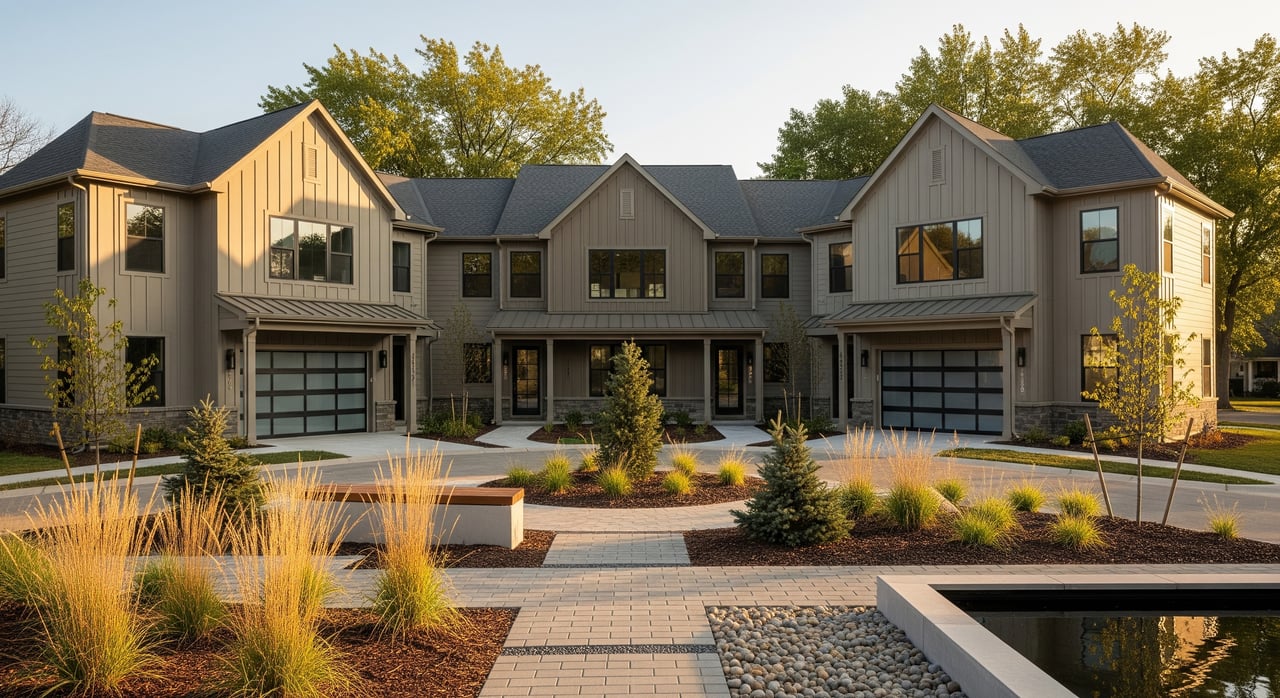
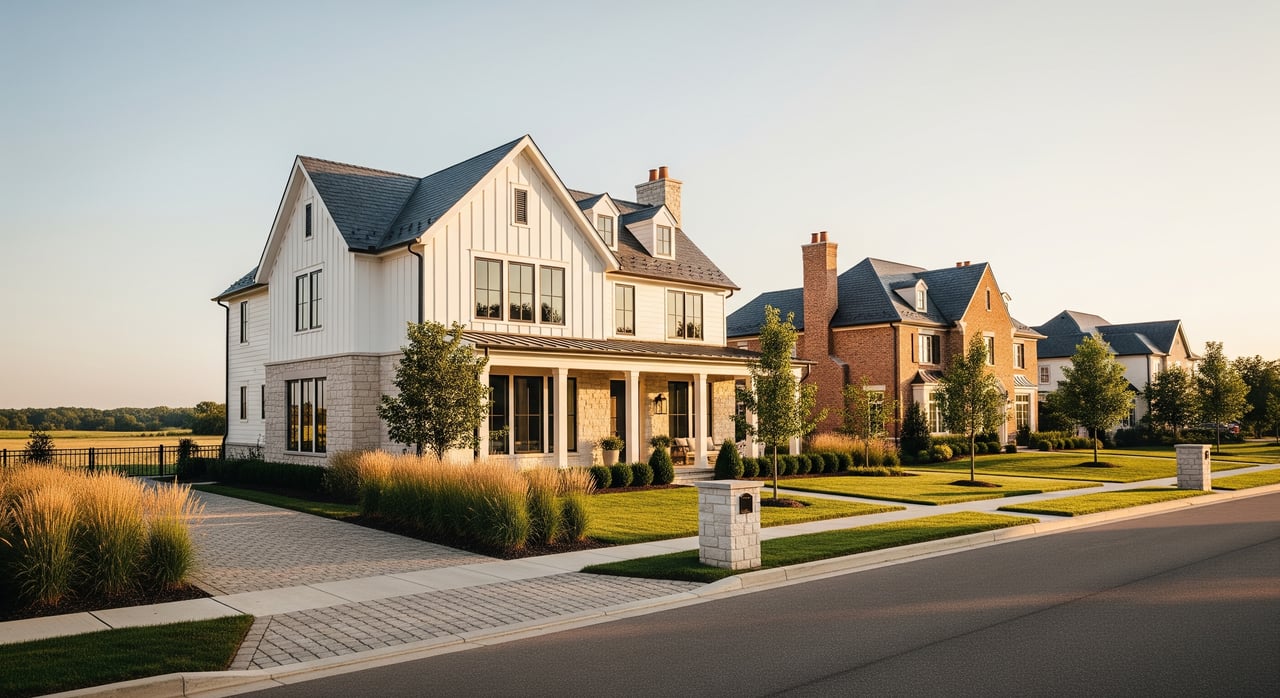
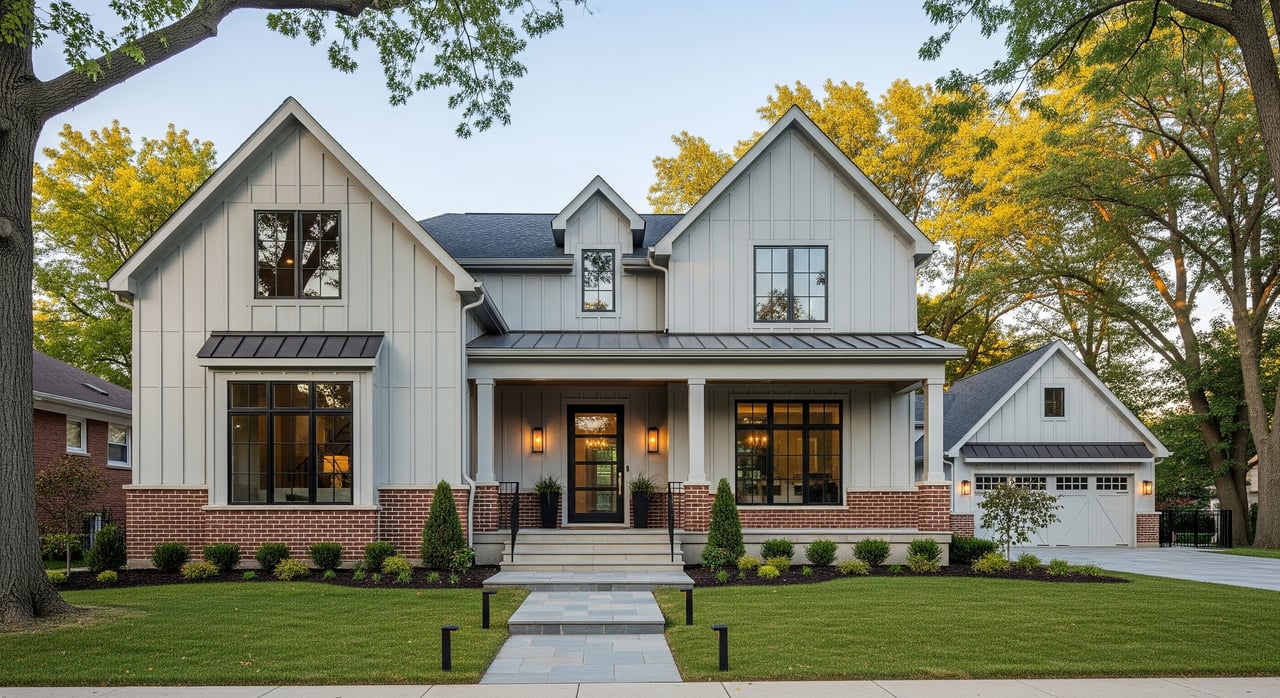
- New build: modern systems and floorplans, energy‑efficient features, and a builder warranty. You may pay a premium for the lot and upgrades, and you will wait for construction. Neighborhoods take time to mature.
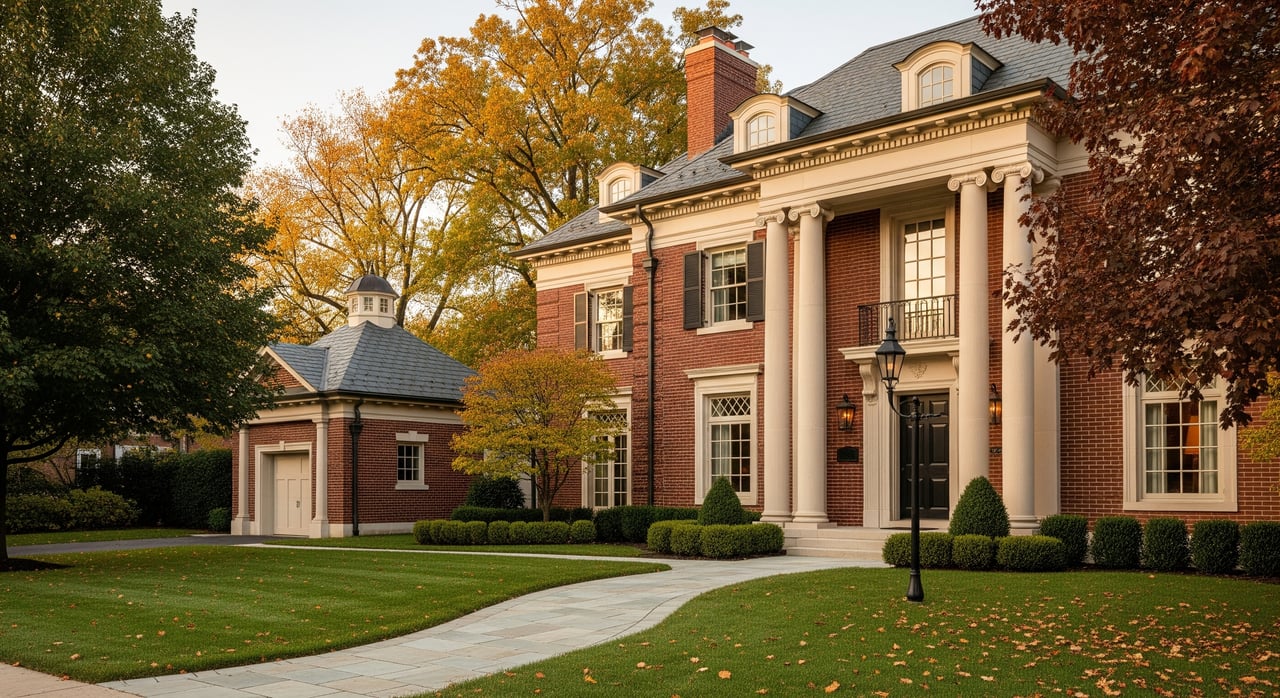
- Resale: faster move‑in and often a lower price per square foot, with established streetscapes and landscaping. You may have more maintenance in the near term and fewer chances to customize.
Total cost beyond sticker price
Purchase price and upgrades
New construction pricing usually starts with a base price, then you add structural choices and finishes. Lot orientation and selections like cabinets, flooring, and bath packages raise the final number. Change orders can increase both cost and time. Resales are priced to the current market and comps. Depending on conditions, sellers may accept below list.
Closing costs and incentives
Builders often prefer to hold the base price and offer incentives instead. You might see closing cost help, rate buydowns, or a few free upgrades when lot inventory is high. With resales, you negotiate price, repairs, and possible seller concessions based on inspection results and market leverage.
Property taxes and HOA dues
For a new build, assessed value may start lower and adjust after reassessment, then taxes can increase later. Check local assessor practices before you commit. Many new subdivisions include HOAs, with dues for common areas and planned amenities. Established neighborhoods may have existing HOA rules and fees to review. Always add taxes, HOA dues, and a maintenance reserve to your monthly budget.
Timeline and move‑in readiness
Resale timeline
Most resale transactions close in 30 to 60 days, depending on financing and contingencies. You get a predictable path to move‑in, which is helpful for lease expirations, school calendars, or job relocations.
New build stages
Build time varies by the stage of the home and the builder’s schedule.
- Move‑in ready or nearly finished spec homes can close in 30 to 90 days.
- Picking a lot and making selections typically takes 4 to 9 months, sometimes longer if weather, materials, or inspections delay the schedule.
If you have flexibility and want to customize, this can be a strong fit. If you need to be in Brownsburg by a fixed date, resale may serve you better.
Quality, inspections, and risk
A new home must meet current building codes and often includes a multi‑year warranty. It still needs independent inspections. A resale home can be move‑in ready, yet systems may be older and require closer evaluation.
Inspections for resale
Plan for a general home inspection. Add pest or termite, radon, roof, HVAC, and sewer scope as needed. Use the findings to negotiate repairs or credits.
Inspections for new construction
Hire a third‑party inspector who knows new builds. Ask for inspections at framing or pre‑drywall, at mechanical rough‑in, and again before your final walk‑through. Document a punch list and confirm the Certificate of Occupancy and all permit sign‑offs before closing.
Warranties and protection
Many builders offer layered warranties, often a 1‑2‑10 structure. That usually means one year for workmanship, two years for major systems, and up to ten years for structural elements. Coverage and claim steps vary by builder. Get the documents in writing, learn how to file claims, and ask whether the warranty is transferable to a future buyer.
Financing differences
Mortgages for resale
Conventional, FHA, and VA loans are common for resales. Underwriting is familiar, and the appraisal is based on comparable sales.
Options for new construction
You can buy a completed spec home with a traditional mortgage, or you can finance construction in stages.
- Construction‑to‑permanent loan, one closing that converts to a standard mortgage when the home is complete.
- Standalone construction loan, short‑term financing that you refinance when the home is finished.
Construction loans require more paperwork, draw schedules, and possibly higher interest until conversion. Work with lenders who handle Indiana new‑construction transactions frequently.
Appraisals and value
Resale appraisals rely on comparable sales. New construction appraisals may use recent new‑home comps in the community and sometimes the cost approach. If there are few recent comps, lenders can be conservative. Ask the builder for recent sales that support price and plan how to handle any appraisal gap. Over time, long‑term appreciation depends more on location, lot, neighborhood amenities, and local supply and demand than on whether the home was new or resale when you bought it.
Brownsburg factors to weigh
Commute and daily life
Many Brownsburg buyers commute to Indianapolis or nearby employment hubs. Test your route during peak hours and consider how close you want to be to main highways and everyday services. A shorter drive can add value to your daily routine.
New subdivisions and builders
Brownsburg has active development that can bring more new‑construction choices. New neighborhoods can mean construction activity nearby for a period of time. If you like fresh amenities and newer streetscapes, a developing area could be a good match. If you prefer a quieter setting, an established resale neighborhood may feel more settled.
Lot maturity and amenities
Newer communities need time for landscaping to fill in and for amenities to open. Older neighborhoods may have mature trees and finished sidewalks already in place. Decide if you want that immediate neighborhood character or you are comfortable waiting for it.
Utilities and permits
Confirm whether your lot has town sewer, or private septic if outside service areas. Ask for copies of building permits and municipal inspection approvals. For new construction, verify HOA covenants and any planned assessments.
Schools and boundaries
If school assignments matter to you, confirm attendance boundaries for specific addresses and look at enrollment trends. Keep the conversation neutral and fact based by using official district sources.
Negotiation differences and contract tips
Builders often hold firm on base price yet offer incentives. You can sometimes secure closing cost credits, upgraded finishes, or a rate buydown, especially when there are more lots to sell. Builder contracts are usually drafted by the builder and can limit contingencies. Review change‑order rules, deadlines, and financing contingency language. Resale transactions typically use standardized purchase agreements that include inspection, appraisal, and financing protections. These can offer more flexibility on price, repairs, and timing.
Step‑by‑step decision checklist
- Define priorities. Set your timeline, budget ceiling, must‑have features, and your comfort with nearby construction activity.
- Gather market data. Review the latest comps, median days on market, and price trend for your target neighborhoods.
- Budget for the whole picture. Add upgrades, closing costs, property taxes, HOA dues, and a maintenance reserve to the purchase price.
- Visit both options. Tour new model homes and a range of resales to compare layouts, finishes, yard size, and neighborhood feel.
- Investigate builders. Ask for references, see completed projects in Hendricks County, review warranty documents, and check consumer feedback.
- Inspect thoroughly. Hire a seasoned inspector for both resale and new construction, with stage inspections for new builds when possible.
- Review contracts carefully. Ask an experienced real estate professional or attorney to explain builder contract terms and deadlines.
- Confirm lot specifics. Verify orientation, drainage, easements, floodplain status, and any grading or tree work.
- Verify utilities and schools. Confirm sewer availability, utility hook‑up fees, and exact school assignments tied to the property address.
- Plan for resale. Consider how the neighborhood and amenities will look in three to five years and how comparable homes are performing.
Common mistakes to avoid
- Underestimating total new‑build costs. The base price rarely equals the final price after lot premiums and selections.
- Skipping inspections on a new home. Independent inspections catch issues early and document fixes before move‑in.
- Ignoring appraisal strategy. In low‑comp areas, address potential gaps before you sign.
- Overlooking HOA and long‑term taxes. Both affect monthly costs and future affordability.
- Rushing the timeline. Align your move‑in date with realistic construction stages or resale closing windows.
Your next step
Choosing between a new build and a resale in Brownsburg is easier when you have local insight, current comps, and a clear plan for financing and inspections. If you want a personalized side‑by‑side analysis of real inventory, builder incentive sheets, and resale comps that match your wish list, our team can help you move forward with clarity. Connect with Chaggar & White Realty to request your personalized market consultation.
FAQs
What are the main cost differences between new builds and resales in Brownsburg?
- New builds include a base price plus upgrades and possible lot premiums, while resales are priced to comps and may allow concessions on price or repairs.
How long does it take to buy a new build versus a resale?
- Resales often close in 30 to 60 days, while new builds range from 30 to 90 days for a spec home to 4 to 9 months or more for a build‑to‑order.
Do I still need an inspection on a brand‑new home?
- Yes, independent inspections at key stages help catch issues early, create a punch list, and protect you before final walk‑through and closing.
How do builder warranties typically work?
- Many use a 1‑2‑10 structure that covers workmanship for one year, systems for two years, and structural elements for up to ten years, with details set by the builder.
Can I negotiate price or terms with a builder?
- Yes, negotiation often focuses on incentives like closing cost credits, rate buydowns, or upgrades rather than cutting the base price.
What Brownsburg‑specific items should I verify before I buy?
- Confirm utilities and sewer access, HOA rules and dues, school attendance boundaries, floodplain status, and any planned nearby development that could affect timelines or value.